Los Angeles rewards anyone who plants for flavor. Long dry summers, a short and gentle winter, and a huge palette of Mediterranean and subtropical plants make it possible to harvest citrus in January, basil in August, and figs until the first real chill. Edible landscaping here is less about squeezing a farm into a yard and more about weaving fruit, herbs, and raised beds into a landscape that looks good 12 months a year, sips water compared to turf, and pays you back with clean produce.
I design and maintain edible landscapes across microclimates from Santa Monica to Sierra Madre. The same block can hold a windy corner that cooks basil and a cool pocket where cilantro thrives. Planning for those contrasts is the difference between a yard that feeds you and a yard that fights you.
Start with the site you have, not the one on Instagram
Before the first raised bed goes in, study sun, wind, and soil. Los Angeles is famous for microclimates. A coastal yard near Mar Vista might get foggy mornings and slow summer heat, while a San Fernando Valley lot will push triple digits and ripen tomatoes in record time. Hillside homes around Glendale and Mount Washington often have decomposed granite under thin topsoil along with gophers that treat young trees like party snacks.
Watch the sun for a week in late winter and again in June. Fruit trees need six to eight hours of direct light to produce reliably, with a little afternoon shade helping avocados and young citrus survive heat spikes. Track wind corridors, because a canyon breeze can strip blossoms off stone fruit and dehydrate container herbs. Note where water pools after a rare storm, then avoid placing raised beds in those pans. Compact or heavy clay is common east of downtown and in parts of the Valley; it will grow fruit trees if you respect drainage and build quality soil on top with mulch.
Water-wise from the start
Edible yards do not have to drink like lawns. Drip irrigation shines in Los Angeles because it targets roots and avoids evaporative losses. I group plants by water use. Citrus, guava, feijoa, pomegranate, fig, rosemary, and thyme are all comfortable on a lean schedule once established, while avocados, bananas, and summer annual vegetables want more frequent sips. One controller zone for thirsty beds and one for deep, occasional tree soaks keeps costs predictable and health high.
Greywater helps in the right setup. Laundry-to-landscape systems can legally distribute washing machine water to trees when installed to code, and in my experience an average household can offset a meaningful portion of summer irrigation for a small citrus or fig guild. Skip root crops and lettuces with greywater and keep the mulch layer thick to filter particulates. For everything else, seasonal adjustments and moisture checks matter more than gadgets. If a handful of soil from 6 inches deep forms a weak ball that breaks with a tap, you are in the sweet spot.
Soil, mulch, and the rhythm of feeding
Most Los Angeles soils are mineral rich but short on organic matter. Resist the urge to replace native soil. Digging giant holes and backfilling with compost can create a bathtub that collects water around roots. Plant trees with the native soil you removed, break up glazing on hole sides, and top dress with compost. For beds and herbs, build fertility from the top down: two to four inches of arborist wood chips under trees, one inch of finished compost on beds each season, and worm castings as a light tonic for seedlings or stressed plants.
Biology does the heavy lifting. Mulch buffers heat, slows weeds, and feeds fungi and bacteria that move nutrients to roots. The difference shows during a Santa Ana: mulched trees look composed, unmulched trees sulk. I see clients spend hundreds on fertilizers when a steady mulch habit and a spring compost pass would do more good with fewer problems.
Fruit trees that earn their keep in LA yards
If you only have room for three trees, choose one citrus, one fig or pomegranate, and one low chill stone fruit. That trio covers late winter through fall and tolerates water-wise management.
Citrus sets the tone in Los Angeles gardens. Improved Meyer lemon carries almost year round and handles light shade. Lisbon or Eureka for reliable backyard lemons with classic bite. Bearss lime is productive, though winter frost in the colder foothills can nip it. Valencia oranges sweeten into summer, while Washington navel owns late fall to spring. Place citrus where you pass daily so you notice pests early and harvest at peak.
Figs thrive on our heat and low humidity. Black Mission is the old standard, Panache has zebra stripes and berry flavor, and Violette de Bordeaux works in smaller spaces. Pomegranates like Wonderful and Parfianka are drought tolerant, handsome, and less needy than avocados. If you grew up with a loquat in your childhood yard, plant one again and enjoy fruit when little else is ripening.
Stone fruit needs chill hours, and many Los Angeles basins only rack up 100 to 300 hours in a warm winter. Choose low chill varieties. Peaches like Eva’s Pride and Mid Pride, nectarines like Snow Queen, and pluots from Dapple Dandy to Flavor King perform well in many neighborhoods. Apples are possible with Anna and Dorsett Golden along with a pollinator. Pruning for size keeps harvests manageable, especially if you embrace summer pruning to hold trees at 8 to 10 feet.
Avocados tempt everyone, and for good reason. A healthy Hass or Reed can feed a family. The catch is wind, salt, and water. Young avocados scorch in hot, dry winds and hate soggy feet. Plant on a mound, mulch like you mean it, and give them wind protection their first two summers. Pair a type A and type B, like Hass with Fuerte or Bacon, to improve set in marginal bloom weather, though many yards fruit fine with a single tree if bees are active.
Feijoa, also called pineapple guava, deserves more love. It is evergreen, tolerates dry conditions, makes an excellent hedge, and drops intensely flavored fruit in fall when the garden feels tired. Guavas and passion fruit thrive in heat, with passion vines turning fences into dessert screens. Bananas can produce inland with heat and regular water, but they look best in a protected pocket of the yard.
Herbs that make sense in Los Angeles
The Mediterranean herbs could not be better suited to our climate. Rosemary, thyme, sage, oregano, and culinary lavender handle reflected heat and look tidy year round. Place them along pathways so brushing releases scent. Basil is a summer sprinter, happiest when night temperatures sit above 60. Plant several small rounds from May through August rather than one big flush. Cilantro prefers the cool season and bolts as soon as May heat arrives; grow it in fall and winter along with parsley. Mint is vigorous, which is a polite way to say it will take over, so corral it in a container near a hose bib where a little overspray does not matter. Lemongrass anchors a corner and doubles as an ornamental tuft.
I tuck chives and garlic chives beside stone fruit to confuse peach leaf curl spores in winter and attract pollinators in spring. Does it cure disease? No. Does it support a healthy system and give you kitchen staples for years? Absolutely.
Raised beds that look built in, not bolted on
A good raised bed in Los Angeles respects heat, gophers, and aesthetics. The simplest reliable build is heart redwood or cedar 12 to 18 inches high, 3 or 4 feet wide, and any length that fits your space without forcing awkward traffic patterns. Line the bottom with galvanized hardware cloth to stop gophers, then landscape fabric to hold soil while still draining. Fill with a mix of high quality bulk planting mix and screened compost, not bagged potting soil alone, which slumps and dries too fast.
On sun baked patios, steel planters get hot. I use them, but only with a shade rhythm from umbrellas or vines and a fat mulch layer. Concrete block raises soil temperatures on the south and west faces, which can benefit peppers in June but will cook lettuces in April. If you must use pressure treated lumber, stick with modern ACQ rated material, finish the interior face with a pond liner, and keep edibles several inches from direct contact. Most clients opt for redwood, which weathers to a silver that blends with native plantings.
I space beds so you can step around all sides without climbing in, usually 18 to 24 inches for a footpath. Plan for a mainline drip feed with a filter and pressure regulator, then run 1 to 2 lines of drip per row of plants, using 0.5 gph emitters at 12 inch spacing for greens and 1 gph for tomatoes and peppers. Keep your irrigation layout simple enough to troubleshoot with a flashlight at dusk.
A practical installation rhythm
Here is a field tested sequence I use for small yard conversions, from first shovel to first harvest.
- Map sun, utilities, and water access, then test soil drainage with a 12 inch deep percolation hole filled twice to observe absorption. Set fruit tree locations, plant on slight mounds with native backfill, stake loosely, water in, and mulch to the dripline. Build raised beds, line with hardware cloth, fill with bulk planting mix plus compost, install drip with a filter and pressure regulator, and test for leaks. Plant climate fit herbs along edges and high traffic zones for daily harvests, then tuck annual vegetables in beds with a light compost top and a deep initial watering. Add a 3 to 4 inch mulch layer around trees and along pathways, install simple wind protection where needed, and set the timer to short, frequent cycles for seedlings shifting to deeper, less frequent cycles as roots establish.
Selecting varieties with a designer’s eye
Edible landscapes for Los Angeles homes need to carry the property visually. Citrus stays evergreen, so it anchors patios and entryways, especially in large terra cotta or frost resistant planters on the Westside. Fig leaves are sculptural but drop in winter, which opens a view if placed near windows. Pomegranates turn flame red in fall before shedding leaves, a seasonal show that still works in modern landscapes. Rosemary cascades over retaining walls, softening hard edges and hiding irrigation.
For clients with tight front yards looking to boost value and curb appeal, I often recommend a pair of dwarf citrus trained as standards flanking the walkway, a feijoa hedge along the fence for ridgeline outdoor living screening, and a low bed with thyme, oregano, and seasonal color from edible flowers like nasturtiums. This approach reads as high design while it makes salads, a nice example of the Smart Homeowner’s Landscaping Guide for Los Angeles Properties in practice rather than on paper.
Integrated pest management for urban realities
Pests find abundant food in this climate, so prevention matters. Ants farm aphids and scale on citrus, so control the ants first. A ring of sticky barrier on trunks and a bait program away from edible zones usually collapses the farm and lets lady beetles and lacewings finish the job. Citrus leaf miner mars new growth in late summer. I leave damage alone on mature trees and time major pruning for winter to avoid pushing a big flush during peak miner flights.
Squirrels, rats, and birds are a fact of life. If you want flawless peaches, you will likely need netting or bags while fruit colors up. I avoid poisons because they travel up the food chain to owls and hawks. Trapping is a maintenance task, but it is better for the ecosystem. Coyotes move through many neighborhoods at night, and unsecured compost or fallen citrus will draw them, which is not ideal around pets. Harvest promptly, keep alleys clean, and store chicken feed in sealed bins if you keep birds.
Gophers deserve their own note. If you see fresh mounds, assume they will find your avocado. Wire baskets at planting and hardware cloth under beds pay back their cost the first time you do not lose a young tree.
Seasonal rhythms that match Los Angeles weather
Cool season crops like lettuces, spinach, kale, peas, and cilantro do best from October through March. Warm season stars like tomatoes, peppers, basil, and cucumbers take off once nights hold steady above 55 to 60, usually May inland and a touch later near the coast. I start tomatoes shallow in warm beds to heat the root zone fast, then add mulch once June heat arrives. Stone fruit pruning falls right after harvest in July or August when cuts heal fast and vigor is easiest to manage. Citrus feeding is gentle and frequent, with compost in spring and a light organic fertilizer timed to bud push.
I water beds with short morning cycles during establishment, then convert to deeper, less frequent cycles to encourage roots to chase moisture down. Trees get a slow, long soak every two to four weeks in summer depending on soil and heat, then a break in winter rains. If you are watering avocado weekly like a lawn, step back and watch leaf color and new growth, then adjust. Blanket schedules waste water and set you up for root disease.
What it costs and where to invest
Budgets vary widely across Los Angeles. For a typical yard, two to three fruit trees, two 4 by 8 raised beds with drip, valves, and a simple controller, plus herbs, mulch, and compost, I see turnkey installations range from 4,000 to 10,000 dollars depending on access, materials, irrigation complexity, and finish level. High end steel planters, lighting, and custom screens in a Modern Landscaping Guide for Los Angeles Properties style can double that. DIY builds land closer to 1,500 to 3,000 if you already own tools and source bulk soil and chips.
Invest first in irrigation done right, then in soil, then in plants. Cheap emitters that blow off or clog will sour you on gardening. A well set controller with a pressure regulated system and a decent filter will save hundreds of dollars in water and a lot of frustration.
A front yard case: Valley heat, small footprint, big harvest
A client in Sherman Oaks had a small front lawn that baked all summer. Parkways scorched shoes in July, and water bills looked like a second mortgage. We removed 450 square feet of turf, ran a new drip zone, and placed two 4 by 6 redwood beds on decomposed granite paths for clean access. A dwarf Valencia orange settled near the mailbox where the house blocks the fiercest west wind, and two espaliered apples, Anna and Dorsett Golden, trained along the garage wall made a living trellis. Rosemary trailed down the new low retaining wall, and thyme stitched paths together.
First year harvest was modest: a dozen oranges, a colander of apples, and salad greens from October through March. Year two brought heavy oranges, two rounds of tomatoes, and more basil than they could eat. Water use dropped by roughly a third during summer compared with the old lawn schedule. More impressive, the yard looked intentional. Neighbors stopped to talk. That boost in curb appeal matters when you read any Landscaping Guide for Los Angeles Properties: How to Increase Curb Appeal and Value. Beauty invites care, and care yields food.
Design cues for architecture and neighborhood context
Spanish Revival homes take to edible plantings with a Mediterranean accent. Potted citrus in aged clay, rosemary spheres near steps, and an allée of olives leading to a simple bed with thyme and oregano look natural, not gimmicky. Mid-century homes like clean lines and low profiles: steel or ipe planters with strictly kept herbs and a single sculptural fruit tree, maybe a fig, anchor a patio without clutter. Contemporary builds can handle bold vertical moves, such as a passion fruit trellis that doubles as shade for a workspace.
In neighborhoods with stricter front yard expectations, especially under HOAs, treat edibles as ornamentals with a secret job. A feijoa hedge reads like a boxwood replacement until fruit drop reveals your plan. Blue-grey artichokes belong in the front yard and punctuate with flowers if you let one or two heads go. When a client flips through The 2026 Landscaping Guide for Los Angeles Properties and circles trends, I translate them into durable, water wise, and productive choices that stand up to afternoon sun and Saturday soccer balls.
Maintenance that fits real schedules
Edible landscapes should not consume your life. Set a standing 20 minute session twice a week to harvest, check moisture one knuckle into the soil, and reset the timer if weather shifts. Once a month, walk the yard with pruners and alcohol wipes to clean cuts as you go, removing dead wood, suckers, and any branches crossing into future problems. In late winter, refresh mulch under trees to maintain a 3 to 4 inch layer, pulling it a few inches back from trunks.
Fertilizers are a seasoning, not a meal. Compost and mulch do most of the work. When fruit set looks light on young stone fruit, resist the urge to overfeed. Focus on water timing and thinning. Thin peaches to a fist’s width apart in late spring to keep limbs from snapping and improve size and flavor. Stake tomatoes early and tie with soft tape; every year I see a sudden June wind topple cages like dominos.
Two common mistakes and their fixes
Overplanting is the first. A 20 by 30 backyard cannot support six fruit trees at maturity without turning into a pruning workshop. Start with two or three, learn their rhythms, then add. The second is pushing avocados into windiest corners. If the only sunny spot is a heat tunnel, choose a fig or pomegranate there and tuck the avocado into a slightly shadier, protected zone. Fruit later is better than a tree that never gets past its third leaf.
Buying plants and materials that last
Local nurseries are worth the trip because staff know which low chill peach actually produces within three miles of your home. Certification matters for citrus due to disease pressure statewide, so buy from reputable sources. Bulk soil from a landscape yard saves money, but not all blends are equal. Ask about organic matter percentage and screen size. Good planting mix should form a weak ball and break with a tap, not sift like sand or clump like clay. For wood chips, tree services often deliver free loads. Sort and spread, then let the rest age in a corner if you get more than you need.
Raised bed kits can speed setup, but measure twice. Many kits assume square patios and perfect right angles. Old Los Angeles lots rarely oblige. Custom builds let you work around gas meters and hose bibs cleanly.
The bigger picture: edible design as part of a complete landscape
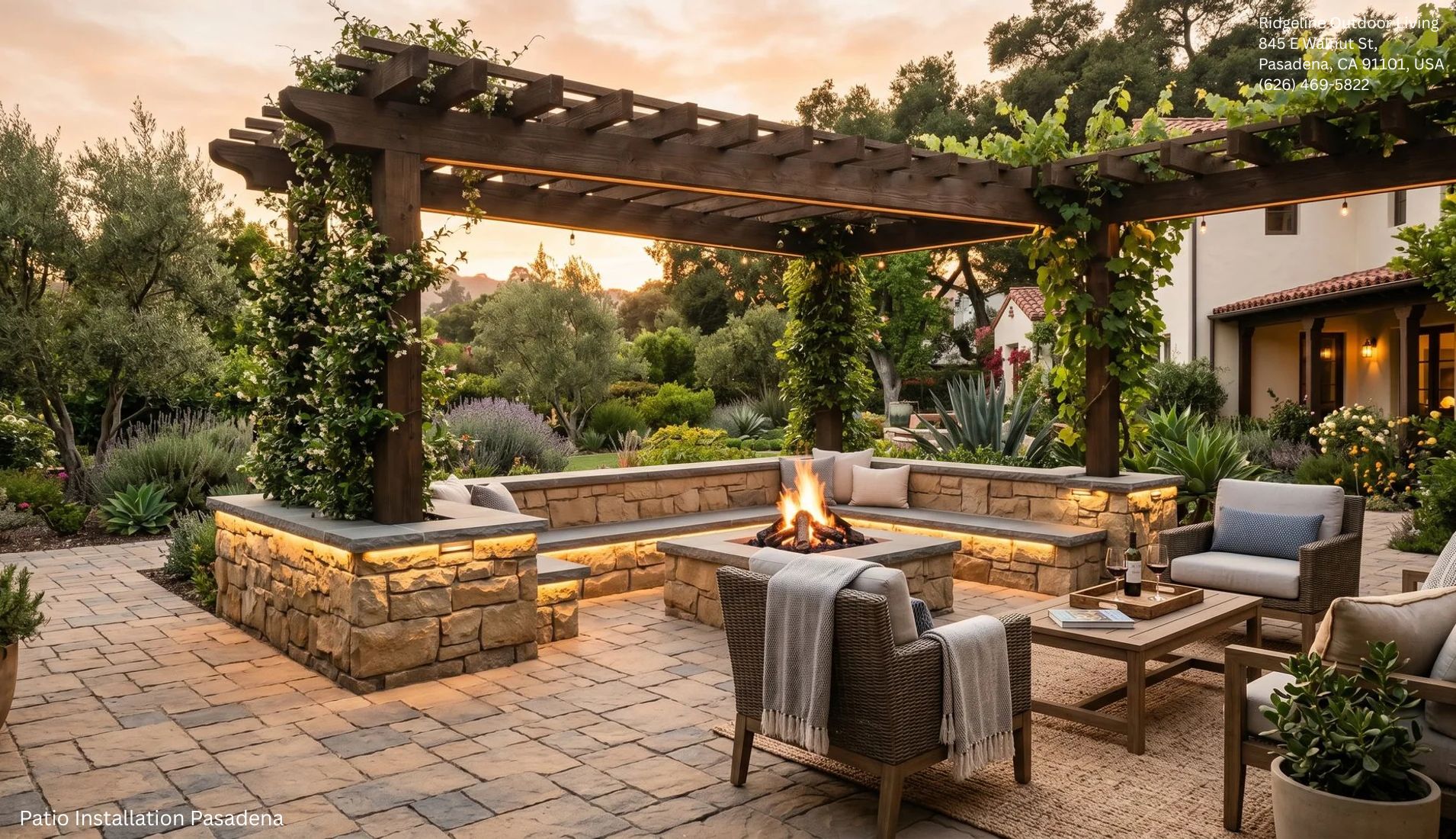
Clients often find this work while searching for The Ultimate Landscaping Guide for Los Angeles Properties or a A Homeowner’s Guide to Landscaping Los Angeles Properties. The best results come when edibles are part of a cohesive plan that includes shade, seating, and sightlines. A small pergola over a dining table with a grape vine offers summer shade and winter sun. Low voltage path lights make evening harvests easy. A simple bench near the herb bed guarantees you will wander out with coffee and cut rosemary for breakfast potatoes. Ridgeline Outdoor Living Landscaping Tips & Best Practices often emphasize function leading form, and that aligns well with edible yards.
An edible landscape changes how a property feels. When a lemon tree frames your kitchen window, weather becomes personal again. A foggy June morning reads as basil’s day off, and you plant arugula in October because the soil still holds August’s warmth. That lived rhythm, paired with practical design and a light hand on water and inputs, turns Los Angeles into a steady partner in your garden rather than a test to pass.
A compact toolkit and realistic expectations
When friends ask what they truly need to get started, I keep the list short and reliable.
- Bypass pruners, a folding saw, and a Hori Hori or soil knife for almost all hand work. A battery powered drill and impact driver for building, plus a level and square for clean beds. A simple drip kit with a pressure regulator, filter, 1/2 inch mainline, 1/4 inch tubing, 0.5 and 1 gph emitters, and goof plugs for mistakes. A moisture meter you trust or the discipline to dig a test hole and feel the soil every week. Compost by the yard, arborist chips by the truckload, and patience by the season.
Everything else is refinement. As you dial in the layout for your property, you will discover small efficiencies and pleasures. Maybe it is the way thyme spills between pavers, or the way a feijoa hedge hums with bees in June. Edible landscaping in Los Angeles works best when it fits your habits and your home, a practical guide to beautiful outdoor spaces that taste as good as they look.
Business Name: Ridgeline Outdoor Living
Address: 845 E Walnut St, Pasadena, CA 91101, United States
Phone: (626) 469-5822
Ridgeline Outdoor Living
Ridgeline Outdoor Living is a Pasadena-based landscape design-build company serving Greater Los Angeles with custom outdoor living, hardscape, and drought-tolerant landscape solutions. The company specializes in patios, retaining walls, outdoor kitchens, drainage, hillside projects, and turnkey landscape construction, handling projects from design and permitting through final build and warranty.
845 E Walnut St, Pasadena, CA 91101, USA
Business Hours:
- Monday – Saturday: 8:00 AM – 6:00 PM
- Sunday: Closed
Follow Us: